This is not the final solution. It is simply the one that works for me right now while I build the Refuge. My temporary toilet setup is functional and meets my needs.
Like many things out here, “good enough today” beats waiting for the perfect solution tomorrow.
Current Setup
I use a standard 5-gallon bucket.
Having a reliable toilet setup is crucial for comfort in offgrid living.
A heavy-duty plastic trash bag is draped over the rim of the bucket.
To make it more comfortable, I split a pool noodle lengthwise and fit it over the rim, trapping the plastic bag in place. It isn’t fancy, but it is surprisingly comfortable compared to sitting directly on a hard plastic bucket.
After use, I clean the pool noodle and remove it.
The bucket lid is then placed gently over the trash bag around the rim. It isn’t intended to create an airtight seal. It simply helps reduce odors and discourages flies until I can dispose of the contents.
Normally I would cover the waste with dry leaves, sawdust, or another carbon material after each use. On this particular trip I hadn’t gathered any ahead of time, so I simply sealed the bucket until I could dispose of it.
Hygiene
After using the toilet:
- Clean with antibacterial wet wipes.
- Wash hands thoroughly with soap and water.
- Finish with an alcohol-based hand sanitizer.
That last step is probably overkill.
I don’t particularly care.
Getting sick when you’re alone at an off-grid property is a problem I’d rather avoid.
Diet Matters More Than You Think
One thing I hadn’t really considered before spending time off-grid is how much your digestive system can change when your routine changes.
Maybe you’ve been eating healthier. Maybe you’ve lived on canned food for a week. Maybe you grabbed a burger on the drive down, tried a new brand of freeze-dried meals, or discovered that whatever preservative is in a particular snack doesn’t agree with you.
Your body doesn’t send a calendar invitation announcing these discoveries.
Changes in diet, different drinking water, increased physical activity, dehydration, stress, or simply eating foods you don’t normally eat can all affect your digestive system. Most of the time it’s nothing serious, but when you’re a long way from the nearest convenience store or pharmacy, even a minor bout of diarrhea becomes more than just an inconvenience.
For that reason, I keep anti-diarrheal medication such as a generic Imodium in the RV as part of my first-aid supplies. I’d rather carry it for years and never need it than need it once and not have it.
Lessons Learned
Loose stool creates stronger odors, is harder to contain cleanly, and can attract insects much more quickly, especially in warm weather. It is also more difficult to clean from the sides of the bucket and makes covering the waste with carbon material less effective.
Having extra trash bags, wet wipes, disposable gloves, hand soap, sanitizer, and medication on hand turns what could become a miserable situation into little more than an unpleasant chore.
Off-grid living has a way of teaching you that small comforts often come from good preparation.
Future Plans
This is a temporary system.
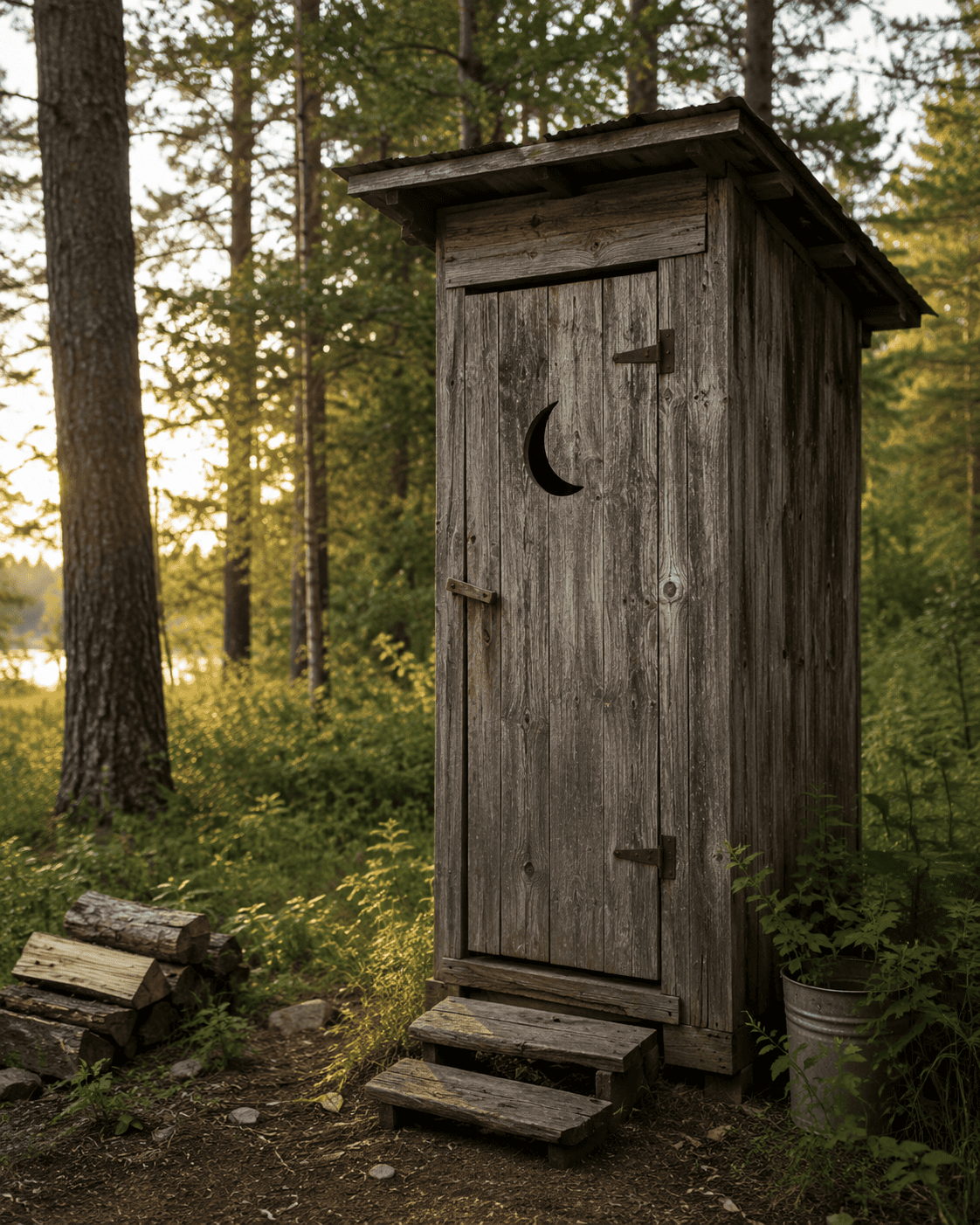
Eventually the Refuge will have a proper outhouse and a more permanent waste management system. Until then, this bucket system has proven to be inexpensive, reliable, easy to clean, and simple to maintain.
Sometimes off-grid living isn’t about building the perfect solution.
It’s about building the next solution that works well enough to keep moving forward.
Learn More
If you’re interested in building a long-term, sustainable sanitation system, I highly recommend reading The Humanure Handbook by Joseph Jenkins.
The book goes far beyond the “bucket toilet” concept. It explains the science behind composting human waste, discusses pathogen reduction, carbon materials, compost pile management, and addresses many of the myths and misconceptions surrounding humanure systems.
Whether you ultimately choose a traditional outhouse, a commercial composting toilet, or a true humanure composting system, understanding the principles behind each option will help you make better decisions for your own property.
My current setup is simply a temporary solution while I build the Refuge. As the property develops, I’ll be experimenting with more permanent systems and documenting what works, what doesn’t, and the lessons learned along the way.
Sometimes the most valuable part of a project isn’t getting it perfect the first time.
It’s being willing to improve it one step at a time.
Field Note Details
Problem Found
Safely handles one's bodily functions and waste
Action Taken
A temporary bucket toilet
Result
Safe and clean disposal of dangerous waste.