Stop Fixing the Wrong Problem
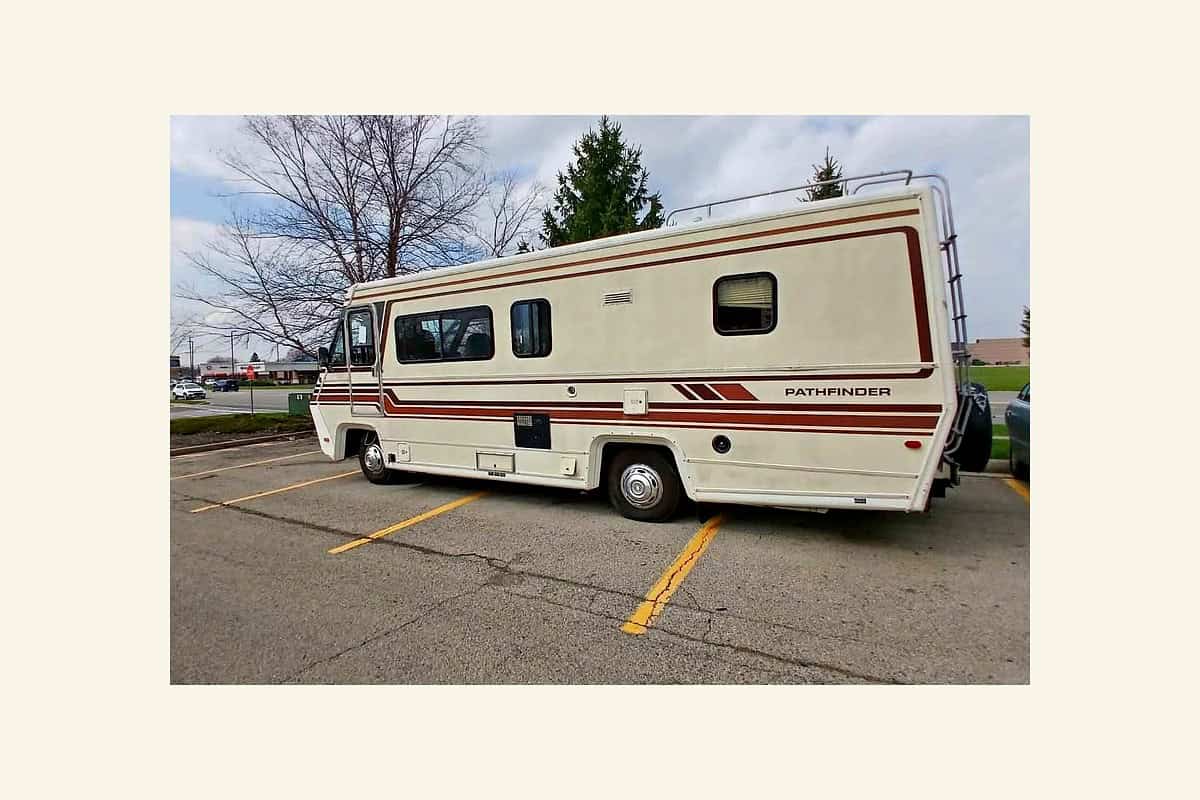
An old RV sitting on a piece of land creates an interesting question:
Are you restoring a camper?
Or are you building a small cabin?
Those sound similar, but they lead to completely different decisions.
A road-ready RV has one purpose:
Move.
Everything inside is designed around that requirement.
A stationary refuge has another purpose:
Last.
Once the wheels stop turning, the rules change.
RVs Are Built Around Compromise
Factory RV designs have to balance dozens of competing requirements.
Manufacturers worry about:
- total weight
- fuel economy
- road vibration
- manufacturing cost
- maximizing sleeping space
- making everything fit inside a narrow shell
That creates some clever engineering.
It also creates some compromises.
Lightweight cabinets, thin materials, unusual appliances, and custom parts make sense when traveling thousands of miles.
But if the RV is no longer traveling, those same choices may no longer be advantages.
A Stationary RV Becomes a Shelter Shell
At some point, an older camper may have more value as a structure than as a vehicle.
Instead of seeing a worn-out RV, look at what already exists:
- a roof
- walls
- windows
- doors
- wiring pathways
- protected living space
- insulation
- a raised floor
That is a major head start.
The question changes from:
“How do I restore this RV?”
to:
“How do I turn this shell into the best small living space possible?”
Keep the Advantages, Remove the Weaknesses
A stationary conversion allows different choices.
Things worth keeping:
- the weather protection
- the basic structure
- useful built-in systems
- compact design ideas
Things worth reconsidering:
- fragile cabinets
- worn furniture
- outdated appliances
- damaged flooring
- systems designed only for travel
The goal is not preserving history.
The goal is building something useful.
Residential and Commercial Materials Start Making Sense
Weight matters when driving.
Strength matters when staying.
A cabinet that would be too heavy for a traveling RV might be perfect in a stationary setup.
Examples:
- steel office cabinets for storage
- residential furniture
- standard lumber repairs
- household fixtures
- commercial shelving
A filing cabinet built to survive decades in an office may outperform lightweight RV furniture when used in a permanent location.
Design for Being Away
A seasonal refuge has a unique challenge:
Nobody is there every day.
That changes priorities.
Think about:
- rodents
- moisture
- temperature swings
- security
- durability
The question becomes:
“What happens if I leave for weeks or months?”
Materials and storage choices should reflect that reality.
Simple Repairs Beat Specialized Parts
Another advantage of treating an RV as a shelter:
Common materials become acceptable.
Instead of searching for rare RV-specific pieces, repairs can often use:
- standard lumber
- normal hardware
- common fixtures
- widely available parts
A solution that can be repaired from any small-town hardware store is valuable.
Different Purpose, Different Rules
There is nothing wrong with restoring an RV.
There is nothing wrong with keeping one road-ready.
But that is not always the goal.
Sometimes an old camper does not need to become a new camper.
Sometimes it becomes:
a cabin starter.
a workshop.
a hunting shelter.
a weekend refuge.
A structure does not lose value just because its original purpose changed.
Sometimes the best use begins after the wheels stop turning.
Field Note Details
Problem Found
Traditional RV restoration thinking focuses on preserving travel features even when the RV will no longer be moved. This can lead to keeping weak materials and outdated systems that no longer match the actual purpose.
Action Taken
Changed the design approach from RV restoration to stationary shelter conversion. Focus decisions around durability, comfort, storage, and long-term use instead of road travel.
Result
Continue evaluating original RV systems and replace components where stationary alternatives provide better durability or function.